
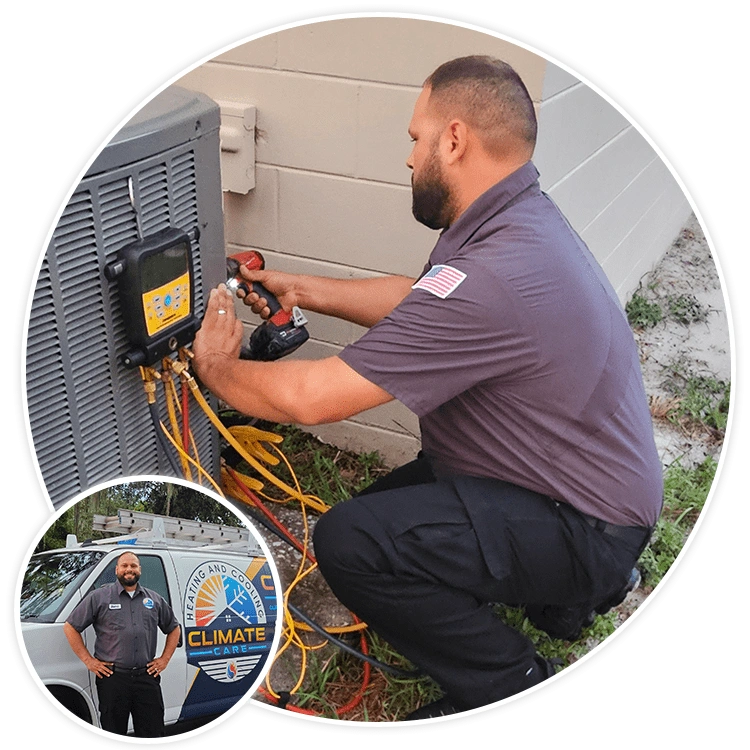

If your furnace isn’t turning on, it’s crucial to troubleshoot the issue systematically. Start by checking the thermostat settings to verify it’s properly configured. Next, inspect the circuit breaker for tripped switches, as this could be a simple fix. Don’t overlook the furnace switch itself; it needs to be in the “on” position. There are more factors to take into account that could be affecting your furnace’s performance, and understanding them can help you resolve the issue efficiently.
Check the Thermostat Settings
Have you checked the thermostat settings? It’s often the simplest solutions that can resolve your furnace issues. Verify the thermostat is set to “Heat” and adjust the temperature above the current room temperature. Confirm that the schedule aligns with your current needs if it’s a programmable thermostat. Battery-operated models may require new batteries, so check for any low-battery indicators. Additionally, verify that the thermostat is clean and dust-free; this can affect its functionality. If you’re using a smart thermostat, verify it’s connected to your Wi-Fi network. A quick review of these settings could save you time and frustration, helping you maintain a comfortable environment for those you serve.
Inspect the Circuit Breaker
Before diving into more complex troubleshooting, inspecting the circuit breaker is essential, as a tripped breaker can prevent your furnace from operating. Locate your electrical panel, typically found in a basement, utility room, or garage. Open the panel door and look for any breakers that are in the “off” position or those that appear to be tripped, usually indicated by a red or yellow color. If you find a tripped breaker, firmly switch it back to the “on” position. Wait a moment, then check if your furnace powers on. If the breaker trips again, it may indicate an underlying issue that requires professional attention, such as a faulty furnace component or an electrical problem that needs immediate service.
Examine the Furnace Switch
If your furnace still isn’t operating after checking the circuit breaker, the next step is to examine the furnace switch. This switch is typically located on or near the furnace itself, often resembling a light switch. Confirm it’s in the “on” position. If it’s off, simply flip it on. Sometimes, it can be accidentally turned off, particularly during maintenance or cleaning.
If the switch is on and the furnace still doesn’t operate, inspect for any signs of damage or wear. Verify that the switch is securely connected to the furnace. It’s crucial to address any issues with the switch promptly to facilitate proper operation. Regular checks can prevent future malfunctions and guarantee your heating system functions efficiently when needed.
Look for Blocked Air Vents
After confirming the furnace switch is operational, the next step is to check for blocked air vents. Blocked vents can greatly hinder airflow, preventing your furnace from functioning effectively. Start by inspecting all supply and return vents in your home. Look for any obstructions, such as furniture, rugs, or curtains, that might restrict airflow. Verify that vent covers are open and free of debris. If you find any blockages, clear them immediately to allow for ideal airflow. Proper airflow is essential for your furnace to heat your home efficiently. Regularly checking your vents helps maintain a comfortable environment and guarantees your heating system operates smoothly, ultimately serving the needs of those in your care.
Clean or Replace the Air Filter
One essential step in ensuring your furnace operates efficiently is regularly cleaning or replacing the air filter. A dirty air filter restricts airflow, causing your furnace to work harder and potentially overheat. This can lead to system failures or increased energy bills. Check your filter monthly, especially during peak heating seasons. If it appears clogged with dust and debris, it’s time for a cleaning or replacement. Most filters are easy to access and swap out; just make sure you choose the right size and type for your system. By maintaining a clean air filter, you not only enhance your furnace’s performance but also improve indoor air quality, benefiting everyone in your home.
Verify the Pilot Light
A clean air filter guarantees proper airflow, but your furnace might not ignite if the pilot light is out, even with that in check. First, locate the pilot light assembly, usually near the gas valve. Inspect the flame; it should be a steady blue. If it’s out, follow your manufacturer’s instructions to relight it. Turn the gas control knob to ‘off’ for a few minutes to allow any gas to dissipate, then switch it back to ‘pilot’ and ignite it. If the pilot won’t stay lit, check for draft issues or clogs in the tubing. Verify the thermocouple is functioning correctly, as a faulty thermocouple can prevent the pilot light from igniting consistently.
Test the Safety Switches
Testing the safety switches is essential to guarantee your furnace operates safely and effectively. These switches prevent dangerous situations and make sure your system functions properly. Here’s how to check them:
- Limit Switch: Locate the limit switch and confirm it’s closed. If it’s open, your furnace won’t turn on.
- Door Switch: Inspect the door switch. If the furnace door isn’t securely closed, it can interrupt power, preventing operation.
- Flame Rollout Switch: Test the flame rollout switch. If it’s tripped, it indicates a potential safety issue that requires further investigation.
Assess Fuel Supply
Before troubleshooting further, it’s vital to assess the fuel supply, as a lack of fuel is a common reason for a furnace not turning on. Check if your gas valve is open if you have a gas furnace. If you’re using oil, ensure there’s enough in the tank. For electric furnaces, confirm that the power supply is functioning and that the circuit breaker hasn’t tripped. If you’re on a propane system, verify your propane levels and that the delivery service is reliable. If you detect any issues, address them promptly. This basic assessment ensures you’re not overlooking a simple fix, allowing you to serve others effectively by restoring warmth and comfort with minimal delay.
Listen for Unusual Noises
Sometimes, unusual noises can indicate underlying issues with your furnace. Attention to these sounds is essential, as they can be clues to potential problems. Here are three common noises to listen for:
- Banging or Clanking: This could signal loose components or debris inside the furnace that may need immediate attention.
- Squealing or Whistling: These sounds often point to worn-out bearings or a malfunctioning blower motor, which can affect efficiency.
- Hissing or Rumbling: This may indicate a gas leak or issues with the heat exchanger, requiring prompt action.
Schedule a Professional Inspection
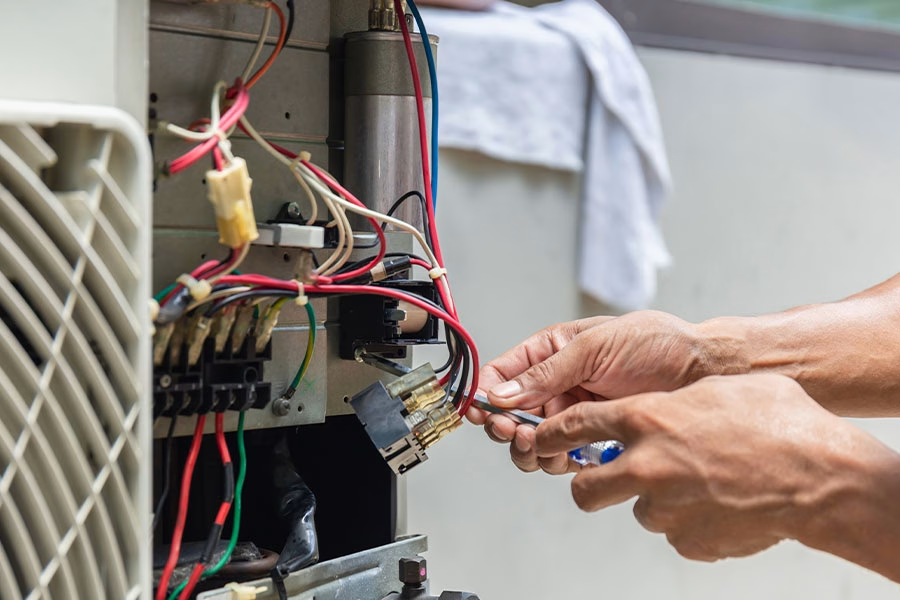
If your furnace isn’t turning on, scheduling a professional inspection is crucial for effectively identifying and resolving the issue. Trained technicians can diagnose problems that aren’t immediately visible, such as electrical failures or gas line issues. They’ll thoroughly analyze components like the thermostat, ignition system, and ductwork for potential faults. Additionally, professionals can guarantee that your furnace operates safely and efficiently, reducing the risk of hazardous situations like carbon monoxide leaks. By investing in expert assistance, you not only restore heat to your home but also extend the lifespan of your furnace. Prioritizing regular inspections can save you money on repairs and enhance your system’s overall performance in the long run.
Conclusion
If your furnace isn’t turning on, following these steps can help you identify the issue. Start by checking the thermostat, circuit breaker, and furnace switch, then inspect air vents and the air filter. Don’t forget to test safety switches and assess the fuel supply. If you hear unusual noises or the problem persists, it’s wise to schedule a professional inspection. These actions guarantee your furnace runs efficiently and keeps your home warm during colder months.
Frequently Asked Questions
How Often Should I Schedule Furnace Maintenance?
You should schedule furnace maintenance annually. This guarantees peak performance, improves energy efficiency, and extends the unit’s lifespan. Regular check-ups help prevent costly repairs and keep your home comfortable during colder months. Don’t neglect this essential service.
Can a Dirty Air Filter Cause Furnace Issues?
Yes, a dirty air filter can considerably restrict airflow, causing your furnace to overheat or malfunction. Regularly checking and replacing the filter guarantees peak performance, prolonging your system’s life, and maintaining efficient heating throughout your home.
What Temperature Should My Thermostat Be Set At?
For comfort and energy efficiency, you should set your thermostat to around 68°F during the day. At night or when you’re away, lowering it to 60-65°F can help save on heating costs while maintaining warmth.
How Do I Know if My Furnace Is Too Old?
To determine if your furnace is too old, check its age—most last 15-30 years. Look for frequent breakdowns, rising energy bills, and inconsistent heating. If you notice these, it might be time for a replacement.
What are the common signs that my furnace needs replacing?
Common signs your furnace needs replacing include inconsistent heating, strange noises, rising energy bills, frequent repairs, and age over 15-20 years. If you notice these, it’s time to reflect on a replacement for efficient heating.