
Ductless mini-splits often become a viable choice when considering heating and cooling options. They promise energy efficiency and potential cost savings, but the initial investment can be significant. It is essential to understand how they compare to traditional HVAC systems, their installation process, and their long-term benefits. Are they truly worth the upfront cost? Let’s explore the factors that could influence your decision.
What Are Ductless Mini-Splits?
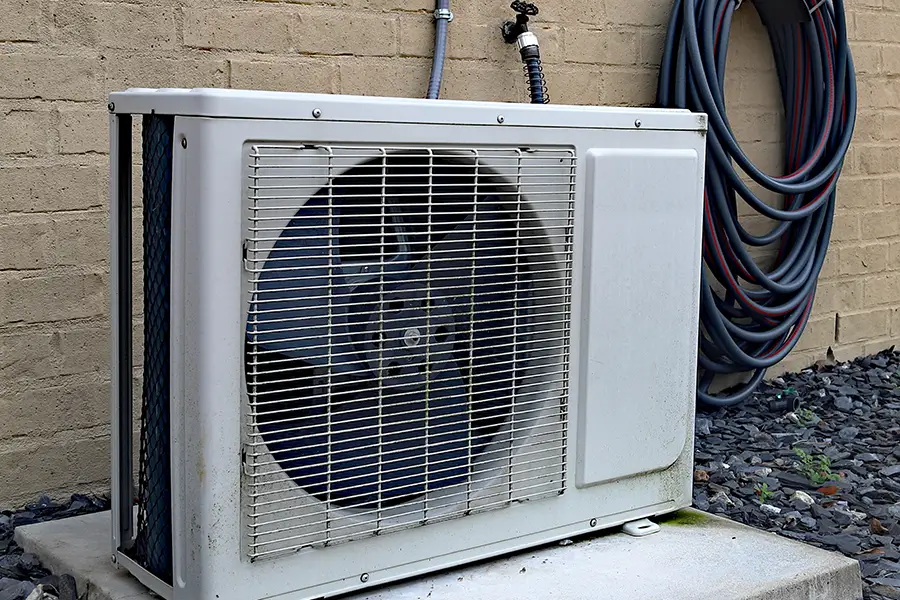
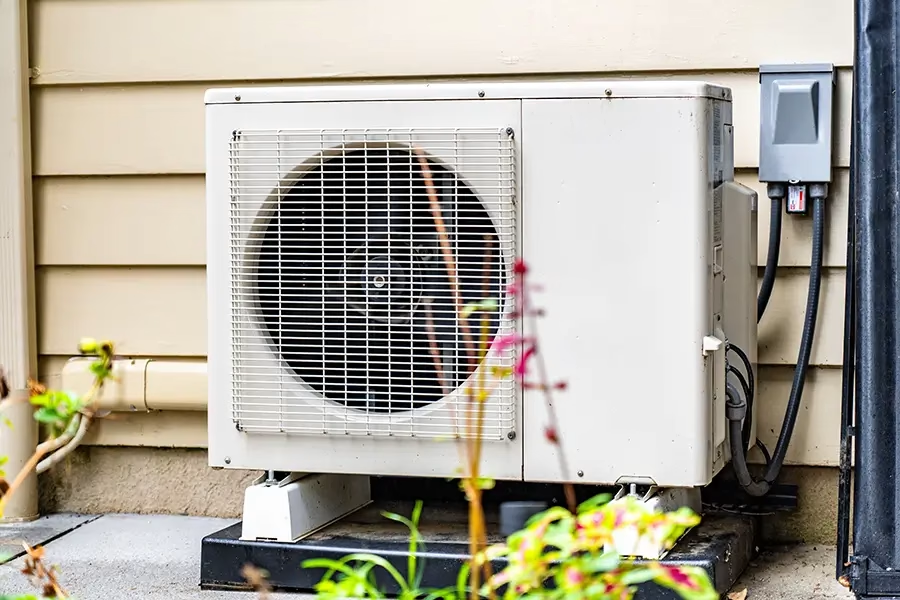
Ductless mini-splits are efficient heating and cooling systems that operate without ductwork. They have two main components: an indoor air-handling unit and an outdoor condenser. This design allows you to control the temperature in individual rooms, providing customized comfort. Installation is straightforward, requiring only a small hole in the wall to connect the two units. Unlike traditional systems, mini-splits offer flexibility in placement, enabling you to serve specific areas of your home or business. They utilize inverter technology, which modulates the compressor speed for peak performance. This not only enhances comfort but also reduces noise levels compared to conventional systems. Overall, ductless mini-splits represent a modern solution for versatile climate control.
Energy Efficiency and Cost Savings
Energy efficiency and cost savings are essential factors when considering climate control options. Ductless mini-splits stand out due to their ability to considerably reduce energy consumption compared to traditional HVAC systems. You’ll enjoy lower utility bills and a smaller carbon footprint, making them an environmentally friendly choice.
Here are some key benefits:
- High SEER Ratings: Many ductless mini-splits boast Seasonal Energy Efficiency Ratios (SEER) above 20, ensuring peak performance.
- Zoned Heating and Cooling: You can control the temperature in individual rooms, minimizing energy waste in unused spaces.
- Reduced Maintenance Costs: With fewer components and a simplified design, these systems often require less frequent servicing.
Installation Process and Considerations
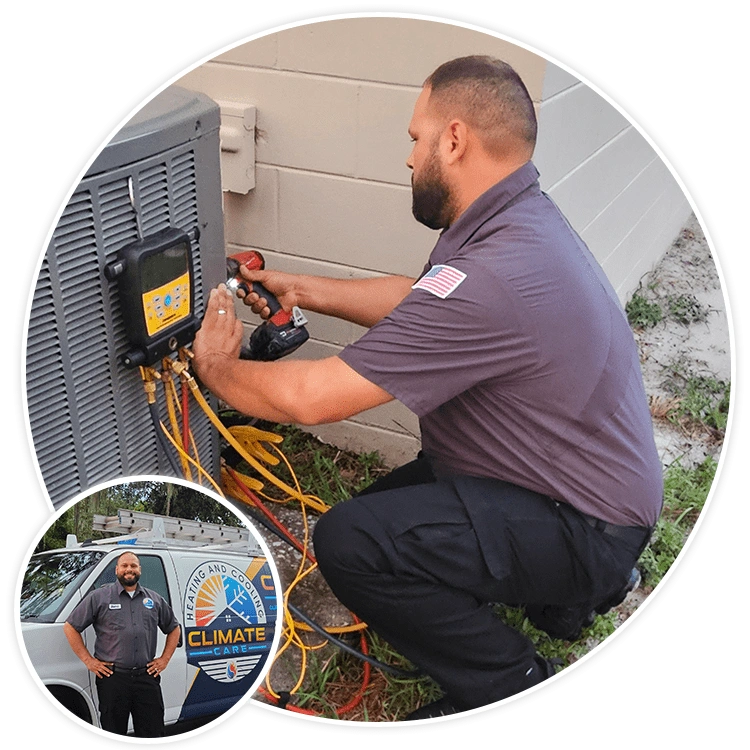
While evaluating your options, understanding the mini-split installation process is essential to guarantee peak performance. You’ll need to assess the layout of your space to determine the best locations for both the indoor and outdoor units. Hiring a qualified technician is essential; they’ll ensure proper refrigerant line installation, electrical connections, and drainage are handled correctly. Expect to allocate a few hours per day for installation, depending on the complexity of the setup. Consider factors like wall thickness and additional insulation, which impact costs and efficiency. Finally, confirm you receive a thorough walkthrough of the system’s operation and maintenance needs to serve your clients effectively. A well-installed mini-split can provide years of comfort and energy savings.
Flexibility in Home Design
A well-installed mini-split system can significantly enhance the flexibility of home design. With its compact size and versatile installation options, you can adapt your heating and cooling solutions to fit various living spaces. This means you can create comfortable environments without compromising aesthetics or functionality.
Consider these benefits:
- Space-saving design: Mini-splits don’t require bulky ductwork, allowing you to effectively utilize every inch of your home.
- Custom placement: Install units in specific areas where heating or cooling is needed most, ensuring maximum comfort.
- Aesthetic integration: Choose from various indoor unit styles that seamlessly blend with your decor, enhancing the overall appearance of your space.
Zoning and Temperature Control
Zoning and temperature control are key advantages of ductless mini-split systems, allowing you to efficiently manage the climate in different areas of your home. With individual units in each zone, you can set varying temperatures based on preferences and usage patterns. This means you won’t waste energy heating or cooling unoccupied rooms, leading to significant savings on your utility bills. The advanced mini-split technology enables precise temperature adjustments, ensuring comfort for everyone in your household. Additionally, you can easily program schedules to align with your daily routines, enhancing convenience. Overall, the zoning capability not only improves comfort but also contributes to a more sustainable approach to managing your home’s climate effectively.
Environmental Impact and Sustainability
As homeowners increasingly seek energy-efficient solutions, ductless mini-split systems stand out for their minimal environmental impact and sustainability benefits. By utilizing inverter technology, these systems efficiently modulate energy usage, reducing greenhouse gas emissions.
Here are the key sustainability advantages of ductless mini-splits:
- Lower Energy Consumption: They consume less energy compared to traditional HVAC systems, leading to reduced reliance on fossil fuels.
- Refrigerants with Lower Global Warming Potential: Many mini-splits use eco-friendly refrigerants that minimize their impact on climate change.
- Flexible Installation: Their design requires less invasive installation, preserving building materials and reducing waste.
Maintenance Requirements
Maintaining your ductless mini-split system is essential for ensuring its longevity and efficiency. Regular maintenance includes cleaning or replacing filters every few months to enhance airflow and air quality. Check the outdoor unit for debris, like leaves or dirt, and clear it to prevent overheating. Inspecting the condensate drain for clogs is crucial, it can lead to water damage. Schedule professional maintenance at least once a year to examine refrigerant levels and electrical connections. This proactive approach not only keeps your system running smoothly but also helps identify potential issues before they escalate. By committing to these maintenance tasks, you can extend the life of your mini-split and provide reliable comfort for those you serve.
Comparison With Traditional HVAC Systems
While traditional HVAC systems rely on ductwork to distribute heated or cooled air, ductless mini-splits offer a more efficient and flexible alternative. With no ducts needed, these systems reduce energy losses associated with air leaks, making them a cost-effective option. Additionally, they allow for zone control, allowing you to heat or cool individual rooms according to your needs. This targeted approach enhances comfort and can lead to lower utility bills.
- Lower energy consumption
- Easier installation process
- Greater customization for different spaces
Potential Drawbacks and Limitations
Although ductless mini-splits offer numerous advantages, they come with potential drawbacks that homeowners should consider. One significant limitation is the higher initial installation cost compared to traditional systems. Additionally, while they’re efficient, extreme temperatures can affect their performance, which may lead to inconsistent heating or cooling. Maintenance can also be a concern, as filters need regular cleaning and units require occasional professional servicing. Another drawback is the aesthetic impact; indoor units may not blend seamlessly with your home’s decor. Finally, while you can customize zones, you might need multiple units for larger spaces, increasing complexity and cost. Weighing these factors will help you decide about your HVAC needs.
Long-Term Value and Return on Investment
Investing in ductless mini-splits can yield significant long-term value and a favorable return on investment (ROI) for homeowners. These systems not only enhance comfort but also contribute to energy efficiency, which can substantially lower utility bills over time.
Consider these long-term benefits:
- Energy Savings: Ductless mini-splits are designed to be energy-efficient, often resulting in lower monthly energy costs.
- Increased Property Value: Homes equipped with modern heating and cooling systems tend to have higher resale values.
- Flexible Installation: Their versatility allows easy installation, minimizing renovation costs and disruptions.
Conclusion
To summarize, ductless mini-splits are often a smart investment for homeowners seeking energy efficiency and customizable comfort. While their initial installation cost may be higher, the long-term savings on utility bills, combined with their flexibility and minimal maintenance needs, make them a worthwhile choice. Considering your specific heating and cooling requirements, you can enjoy enhanced comfort and potentially lower energy costs, making mini-splits a valuable addition to your home.
Frequently Asked Questions
How Noisy Are Ductless Mini-Splits During Operation?
Ductless mini-splits typically operate at 20 to 50 decibels, similar to a whisper or soft background noise. They’re quieter than traditional systems, making them great for maintaining a peaceful environment while serving others.
Can Ductless Mini-Splits Be Used in Commercial Spaces?
Yes, ductless mini-splits can effectively be used in commercial spaces. They’re versatile, providing efficient heating and cooling for various areas, and their zoning capabilities allow you to control temperatures based on specific needs.
What Is the Lifespan of a Ductless Mini-Split System?
With proper maintenance, a ductless mini-split system typically lasts 15 to 20 years. Regularly cleaning filters and scheduling professional inspections can help maximize its efficiency and lifespan, ensuring consistent comfort for those you serve.
Are There Any Aesthetic Options for Indoor Units?
Yes, there are aesthetic options for indoor units. You can choose various designs, colors, and sizes to match your decor. Some models even offer customizable covers, ensuring they blend seamlessly into your space.
Do Ductless Mini-Splits Require Specialized Maintenance Professionals?
Yes, ductless mini-splits require specialized maintenance professionals to guarantee peak performance. These experts are trained to handle unique components and refrigerants, preventing potential issues and extending the system’s lifespan while maintaining energy efficiency.